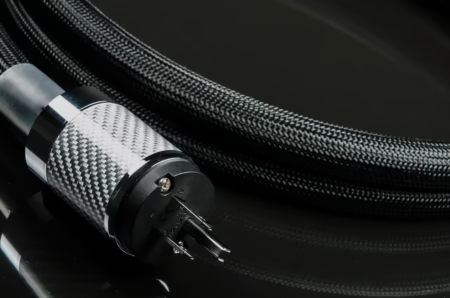
Power Cables in Audio Systems
Power cables are an essential component of audio systems, significantly influencing the quality of sound delivered by these setups. While often overlooked, the importance of quality power cables cannot be understated, as they manage the electrical power that feeds into the audio equipment. In an ideal scenario, the power supply provides a clean, stable signal to the various devices, ensuring optimal performance and sound quality. However, the reality is more complex, as fluctuations or interference in power quality can severely impact the audio output. So it is essential to upgrade Power cables!
The quality of sound generated by audio systems can be affected by various factors, including clarity, dynamics, and overall listening experience. Standard power cables may not adequately shield against electrical noise or deliver a consistent level of voltage and current, leading to degraded sound performance. In contrast, high-quality power cables are designed with superior materials and engineering, which help minimize electrical interference and energy losses. This can result in a noticeable enhancement of audio richness and detail.
When utilizing high-grade power cables, users often report improved sound clarity and a more dynamic range. This is particularly vital in high-fidelity systems where every detail contributes to a realistic auditory experience. The nuanced differences in instrument timbre or vocal intonation become more distinguishable, allowing for a richly textured soundscape that can deeply engage listeners. Thus, investing in better power cables is not merely an enhancement of hardware; it’s an investment in a superior listening experience.
Ultimately, the transition from standard to premium power cables facilitates significant advancements in sound quality. As audiophiles and casual listeners alike strive to achieve the best auditory outcomes from their systems, understanding the fundamental role power cables assume is crucial for making informed audio equipment choices.
Identifying Signs of Weak Power Cables
In any audio setup, the quality of the power cables can significantly affect overall performance. Identifying weak power cables is essential for ensuring optimal sound quality. Several indicators may suggest that your current cables are inadequate. The first and most obvious sign is poor sound quality. If you notice a lack of clarity, an overall dullness, or a significant drop in volume levels, then the power cables may not be delivering sufficient energy to your audio equipment.
Distortion is another common symptom that signals potential issues with power cables. If your audio system produces sounds that are harsh or muddled, particularly at higher volumes, this could indicate that the cables are not capable of handling the power requirements efficiently, resulting in unwanted distortion. Moreover, if you experience frequent power interruptions—such as the equipment turning off unexpectedly—this could be a direct symptom of inadequate power delivery stemming from subpar cables.
To assess the performance of your existing cables, examine them visually for any signs of damage, such as fraying or exposed wiring. It is also advisable to test your system with different power cables, if available, to immediately notice changes in sound quality. Listening tests can be beneficial; try swapping out the cables and pay attention to any improvements or lack thereof in the audio output. Upgrading power cables can enhance the efficiency of your audio system by ensuring a consistent and clean power supply. Regularly evaluating your cables is vital for preserving the sound quality of your equipment and ensuring a premium listening experience.
Benefits of Upgrading Power Cables
Investing in high-quality power cables can significantly enhance the audio experience, providing numerous advantages that contribute to superior sound quality and equipment performance. One of the primary benefits is the improvement in sound fidelity. High-quality power cables are designed with better materials and construction methods, which reduce noise interference and improve signal transfer. As a result, users often experience cleaner and more detailed audio playback, allowing for a more immersive listening experience.
In addition to enhancing sound quality, upgraded power cables contribute to the overall performance of audio equipment. These cables often feature improved shielding and thicker conductors, which not only minimize signal loss but also ensure that the equipment functions at its best. This can lead to a longer lifespan for audio components, as they are less prone to damage from power fluctuations and interference. By maintaining a consistent and reliable power supply, high-quality cables can protect valuable audio investments.
Furthermore, the selection of different types of upgraded power cables is essential in optimizing system performance. For instance, cables designed specifically for digital devices may incorporate advanced technologies that cater to higher frequency signals, while those intended for analog equipment could focus on sustaining lower frequency production. Understanding the differences between these cables and applying them appropriately can yield substantial improvements in a system’s audio performance.
The overall reliability of audio systems also increases with the use of high-quality power cables. Users often find that upgraded cables resist wear and tear over time, reducing the likelihood of failure during operation. This reliability ensures that listeners can enjoy uninterrupted sound quality at all times. In summary, upgrading power cables not only enhances audio quality but also improves the longevity and reliability of audio equipment, making it a wise investment for any audio enthusiast.
Choosing the Right Power Cables
When it comes to optimizing an audio setup, selecting the right power cables is paramount. Power cables facilitate the delivery of electricity to your audio equipment, which can significantly affect sound quality. The primary factors to consider while choosing power cables include cable materials, length, and connectors. And you must understand importance of why you must upgrade power cables.
The material of the cable is crucial, as it greatly impacts conductivity. High-quality copper is the most preferred choice for power cables, delivering superior conductivity necessary for high-fidelity audio. Some cables may also incorporate silver for enhanced performance, but it’s worth noting that these can be quite expensive. The choice between solid core and stranded cables can also influence sound; solid core cables tend to deliver a more stable signal, whereas stranded cables offer flexibility.
Cable length is another critical parameter. In general, shorter cables are preferable as they minimize resistance and potential interference, resulting in cleaner signal transmission. However, the optimal length depends on your specific audio setup and the distance from the power outlet to the equipment. It’s important to factor in the layout of your room and ensure your cables offer sufficient length without unnecessary excess.
Connectors should also not be overlooked, as they play a vital role in creating firm and reliable connections between cables and equipment. Investigate connectors that boast a solid metal design for durability and reliable performance. Look for cables that come with gold-plated connectors to enhance conductivity and reduce oxidation over time.
Upgrade Power Cables
For purchasing quality power cables, it is advisable to consult audio retailers or online platforms that specialize in audio equipment. Renowned brands within the audio community, such as AudioQuest, Nordost, Perkune, and Shunyata Research, consistently receive favorable reviews for their quality and performance. Ensuring that you select cables from reputable manufacturers will ultimately lead to an improved audio experience.
Perkune Audiophile Cables